

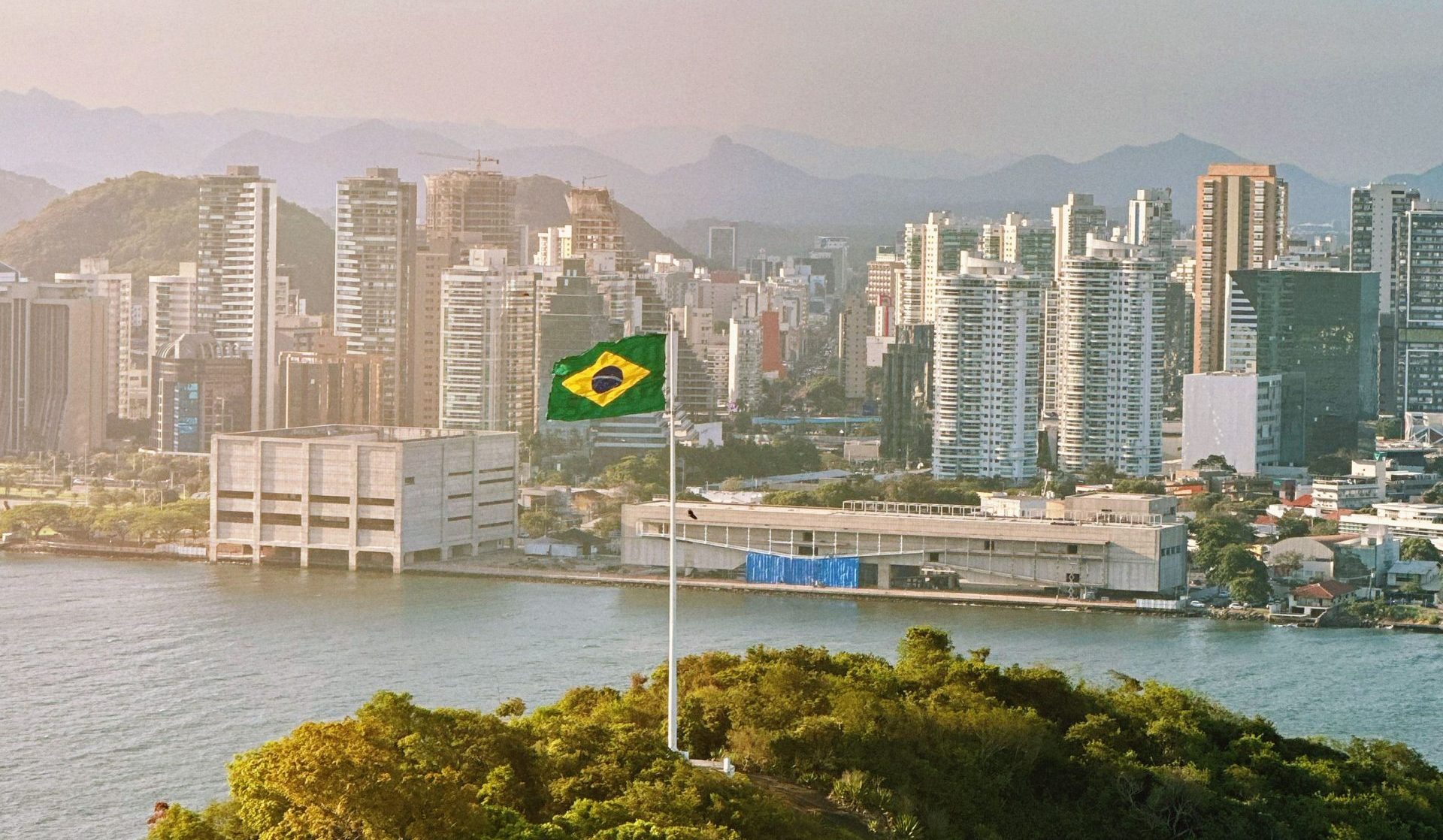
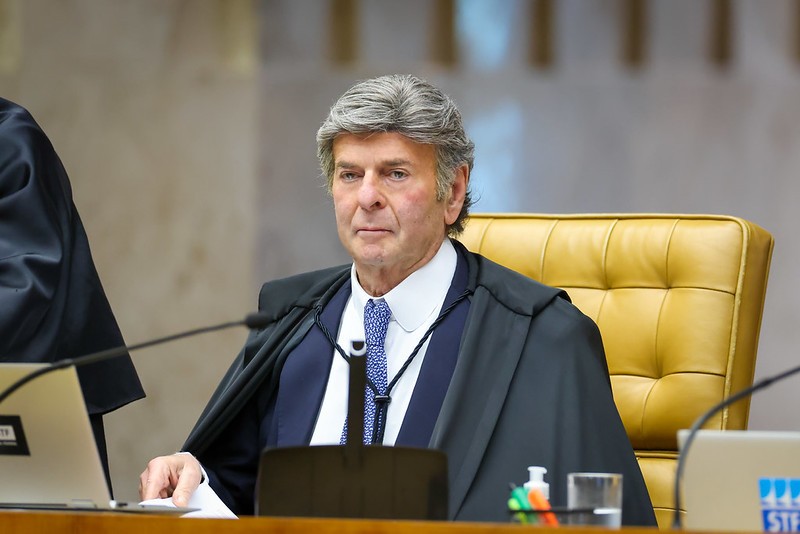
Brazil's betting industry went to the Supreme Court on Monday to stop its own shutdown. The National Association of Games and Lotteries, ANJL, and the Brazilian Institute for Responsible Gaming, IBJR, filed a joint petition with Justice Luiz Fux on September 28 asking him to suspend Provisional Measure 1.394/2026 in full. That's the decree President Lula signed on September 25 banning fixed-odds betting nationwide, and unless a judge intervenes, every licensed site and app goes dark on October 6.
The filing, lodged in existing cases and as new action ADI 8027, doesn't just ask for suspension. ANJL and IBJR offered two fallbacks: exempt the 85 licensed companies and their 186 brands, or grant a minimum six-month transition. A separate body, Anseja, filed its own unconstitutionality challenge, ADI 8024, arguing the instrument was wrong for a measure with no urgency, and asked for 180 days instead.
I've gone through the filings, and the strongest card here isn't constitutional theory. It's a government shutting down a market it licensed 21 months ago, keeping the R$2.55 billion in fees, and giving everyone ten days to unwind.
The urgency story doesn't match the data
Official data from the government's own betting system, cited in the filings, shows regulated volumes were already falling before the ban, with declines of 12.4% and up to 42% in 2025 and 2026. An emergency decree with zero transition is a strange response to a shrinking market. The addiction and advertising concerns were debated during the original regulatory process, and the tone shifted once the draft ban emerged this year.
Then there's the money. Operators paid roughly R$2.55 billion in five-year license fees, R$30 million each, to enter a market that launched in January 2025. The decree doesn't just end it, it explicitly bars refunds, which reads like an open invitation for compensation lawsuits.
The government isn't only defending the decree, it's suing 17 operators for at least R$1 billion in collective damages over alleged social and health costs. The Attorney General's office asked Fux for 72 hours to respond before any injunction ruling, so the same market is being switched off and sued at once.
The timeline is the cruelest part. New deposits were blocked the moment Lula signed, players have until October 5 to withdraw their balances, and banks including state-run Caixa Econômica Federal are racing to process refunds inside that window. Authorizations extinguish on October 25 with no compensation, as we covered in the October 6 shutdown order.
Football turned this into a coalition fight
The move that changes the story is Sinafut. The National Union of Professional Football Associations filed separately with Fux, asking for suspension or a six-month transition, and its argument is arithmetic. Betting sponsors put R$1.14 billion into Série A clubs in 2025, roughly 8% of club income, and the ban rips that out mid-season with nothing to replace it. Player contracts and 2027 club budgets collide with the shutdown.
That alignment matters. This stopped being operators protecting revenue the moment the football unions joined. It's now a coalition of regulated industries arguing the state is dismantling a market it built. The exposure was public the day the ban was announced:
BRAZIL | Lula vows to ban sports betting, threatening $223M in annual sponsorship revenue for football clubs, 8% of their total income.
— Latinometrics (@LatamData) SEPTEMBER 25, 2026
Enforcement is the question nobody answered
Since the announcement, monitoring flagged 833 new illegal betting sites targeting Brazilians, an exponential jump. The illegal market was already estimated at R$40 billion a year, several times the regulated one. Shutting down 85 licensed operators doesn't delete demand, it relocates it, and the decree's tools, site blocking and payment cuts, have a long record of being worked around.
The reaction on the ground is more split than you'd think. I spent the weekend in Brazilian forums, and plenty of people are glad the ad blitz might end, the jersey sponsors, the influencer promos. The loudest skepticism is practical, though. Bettors won't stop betting, they'll move to sites with no deposit limits, no self-exclusion and no credit card restrictions, so the regulated market's responsible gaming tools die along with it.
Politics complicates everything. The decree landed days before the October 4 first round of the presidential election, and the provisional measure survives only 60 days unless Congress extends it, 120 at most. If lawmakers reject it or Fux orders a partial pause, the old regulated framework snaps back into a patchwork.
Watch Fux's ruling once the Attorney General's 72-hour window closes, whether he orders a full suspension or a transition, and whether Congress moves before October 25. My guess is he lands on the transition, because returning player money inside five working days isn't a shutdown, it's chaos with a legal wrapper. The number that should worry Brasília most sits outside the petitions, those 833 new illegal sites multiplying while everyone argues.