


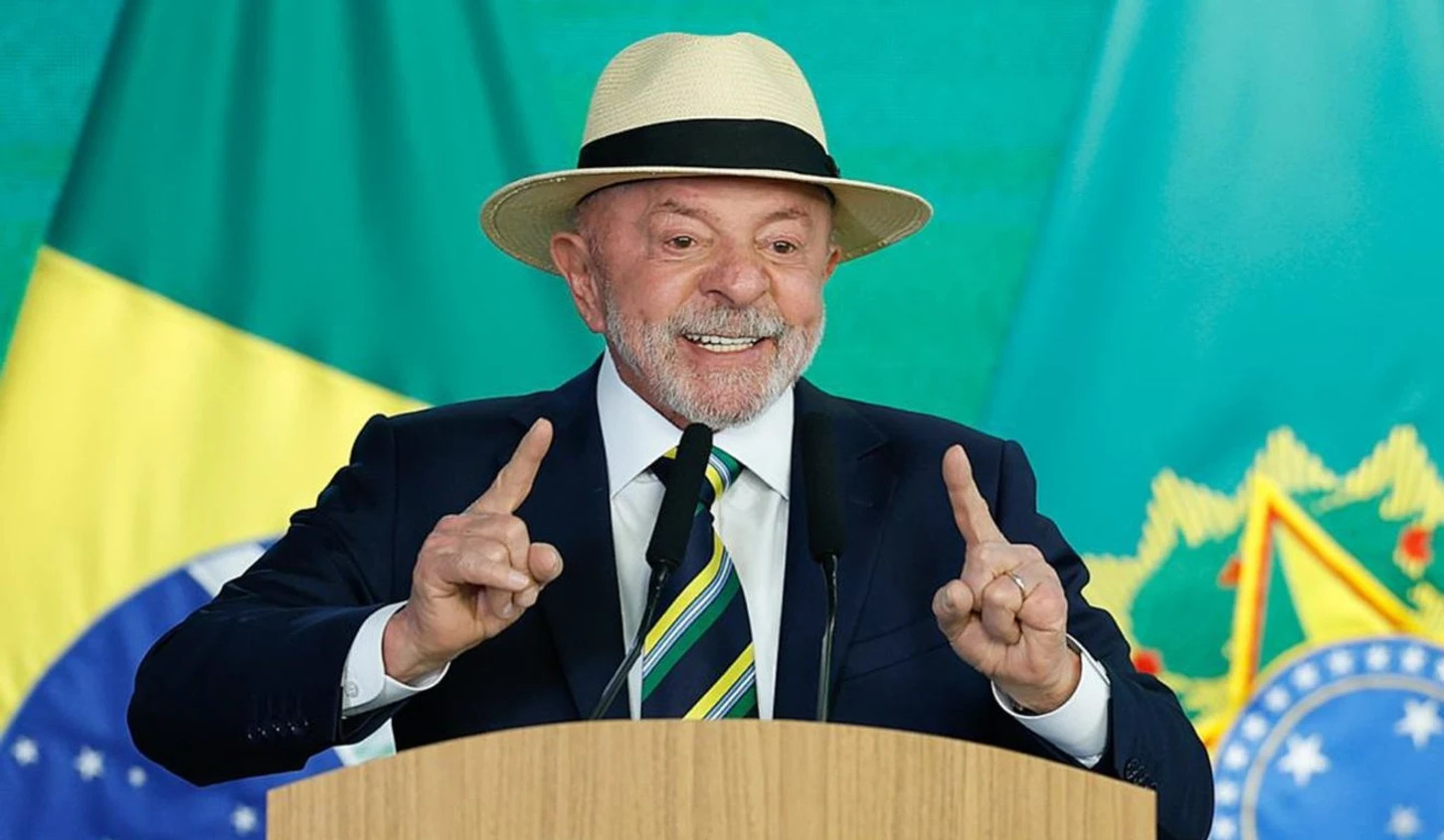
Brazil's government is drafting a provisional measure to ban online casino games, including slots and the infamous "Tigrinho" (Fortune Tiger), while leaving sports betting untouched. Four sources inside the presidential office confirmed the draft is in motion as of September 17, with President Lula reportedly pushing to finalize it before the October 4 first-round elections.
This is a big deal for the 188 licensed operators now active in Brazil. Casino games account for 50-70% or more of revenue at many of these firms, and the licenses were sold as bundled packages covering both casino and sports betting. Severing one strand creates immediate viability questions, potential refund obligations, and near-certain court challenges.
The Fiscal Problem Nobody's Talking About
Here's the part getting less attention than the headline: under Brazil's Fiscal Responsibility Law, the government would need to compensate operators for lost revenue and proportionally refund portions of the R$30 million (roughly US$5.8 million) five-year license fees already paid. That's a direct budget hit at election time, layered on top of the revenue the state would forfeit from a sector it only fully regulated in 2024.
A 180-day delayed-effectiveness clause is reportedly under discussion, which would give operators a runway but also stretch the uncertainty deep into 2027. Provisional measures take effect immediately upon publication, then Congress has 60 days plus a 60-day extension to vote, so the legal picture stays murky either way.
Football Clubs Are Furious
On September 17, major clubs including Flamengo released a joint manifesto calling abrupt changes a threat to Brazilian football. The numbers explain why: roughly R$1 billion in annual sponsorship exposure is on the line, with Flamengo's Betano deal alone worth R$268 million per year. Clubs warn the money funds women's teams, youth academies, and infrastructure, not just first-team budgets, and smaller clubs in lower divisions have far fewer replacement sponsors available.
What I found digging through bettor communities this week is a more nuanced picture than the blanket "ban gambling" framing suggests. There's genuine, widespread hostility toward slots and Tigrinho-style games, which people describe as manipulative with a near-certain house edge, coexisting with real tolerance for sports betting. Many users explicitly want the former banned and the latter preserved, which is roughly what the draft does. That alignment may give the measure more public staying power than critics expect.
The skepticism is about effectiveness, not intent. The consistent prediction across threads I reviewed is a surge in illegal and offshore platforms that pay no taxes and offer zero consumer protections. Worth remembering that before regulation, 41-51% of Brazil's betting activity was already illegal. A ban could push that pendulum right back.
There's also a payments angle that predates this draft. On September 14, the Secretaria de Prêmios e Apostas issued Ordinance 2,750/2026, requiring financial institutions to identify and disrupt flows linked to unlicensed operators. A casino ban would intensify that scrutiny dramatically, and payment processors handling mixed casino-sports volumes face real operational friction during any enforcement ramp.
For bettors tracking how regulation shifts affect markets and operator availability, our Brazil betting guide covers the licensed landscape as it stands today, and we'll update it if the measure lands.
No official text has been published as of September 20, so every detail here remains provisional and subject to change. Watch for the MP's publication, the compensation mechanics in the final text, and whether Congress actually shows up to vote on it. My honest read: the targeted scope is smart policy, but the timing smells of electioneering, and the fiscal bill for unwinding a market Brazil spent two years building will outlast the news cycle.