

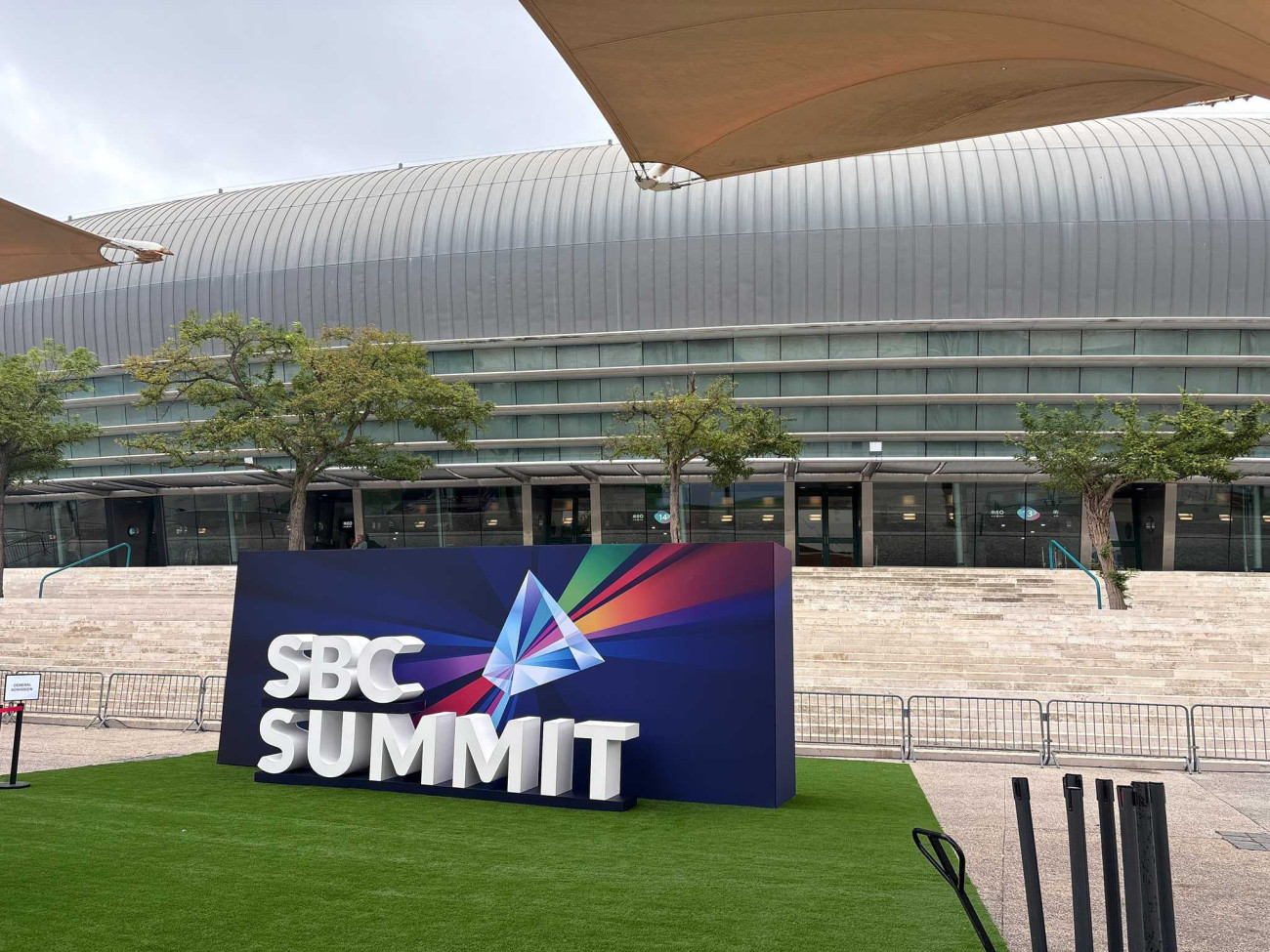
Michael Jordan opened the SBC Summit in Lisbon on Tuesday, headlining the Super Stage at MEO Arena alongside Sportradar CEO Carsten Koerl and DraftKings co-founder Jason Robins. The noon panel kicked off a three-day event expected to draw more than 40,000 professionals from over 150 countries, the betting and gaming industry's biggest annual gathering.
The celebrity booking grabbed headlines in July when SBC Summit first announced the trio. What Jordan actually said on stage deserves more attention than the fact he showed up, because his comments cut to the core of how this industry sells itself.
What Jordan actually said
The panel, moderated by Kirsty Gallacher under the title “Leadership in Sports Business,” covered branding, ownership, and fan behavior. Jordan's sharpest observation came on modern fandom. Fans today engage with games by betting on outcomes, he said, and that changes their relationship with the action entirely. “Now the fans are the athletes.”
He contrasted that with his own playing era, when winning games was the only metric that mattered. Today's athletes juggle performance, brand-building, analytics, and financial rewards at once, and Jordan described that balance as added pressure his generation never carried.
On his commercial partnerships with DraftKings and Sportradar, authenticity was the recurring filter. He also spoke about 23XI Racing, his NASCAR ownership venture, as proof he's moved from pure competitor to investor. And he couldn't resist a competitive jab, joking that anyone who bet against him would lose a lot of money because he hates losing.
One detail that didn't make the highlight reels: he opened with a story about checking a weather app that morning to plan his golf. Even in a room full of executives parsing his every word on brand equity, Jordan stayed recognizably Jordan.
The room was smaller than the hype
Here's the friction nobody mentions in the recap posts. Super Stage access was tiered and capped, roughly 2,000 standard seats at €199 plus 500 Golden Circle seats at €499. That means maybe 2,500 of the 40,000-plus attendees saw Jordan live. Everyone else watched screens, followed clips, or caught up the next morning.
Company accounts stayed promotional, with Sportradar's own account spending the day thanking participants and steering people toward its booth. Debate and skepticism barely registered. The July announcement did ripple beyond trade circles, as one Portuguese basketball account showed.
Michael Jordan vai ser orador na SBC Summit em Lisboa.
— B24 Dunk (@B24Dunk) July 13, 2026
That post pulled 554 likes, real crossover interest from outside the industry. Once the panel happened, though, the conversation stayed polite and shallow. This read as a prestige moment for the organizers more than a talking point that traveled.
Why the fans-as-athletes line matters
Jordan's framing is the thesis the entire sector runs on, and it lands very differently depending on where you sit. For operators and data providers, it shifts the burden onto them to keep that engagement authentic and fair. Regulators see the same behavior through a risk lens, and the timing made the contrast stark. Brazil's online gambling ban takes effect on October 6, days after Jordan left Lisbon, erasing a market operators spent years building.
The US picture is similar in a quieter way. Sportsbooks keep chasing athlete and league tie-ups, as the latest NFL sportsbook partnerships show, while NFL betting engagement has flattened. Jordan's authenticity filter is the right test for all of it. Legacy athletes can lend credibility to betting brands without diluting themselves, but only if the partnership means something.
What to watch now is whether any of the summit's engagement talk turns into actual products, and whether operators can hold the line Jordan described as regulators tighten across markets. The summit wraps tonight with Tiësto and Blasterjaxx headlining the closing party, so the celebration continues regardless.
Jordan hasn't lost his feel for a room, and Lisbon got a rare chance to see it. Whether the industry listening to him can keep its own authenticity intact through the regulatory squeeze is the question this summit leaves behind, and it's the one that will matter long after the Super Stage lights go down.